How Often Should You Clean Artificial Grass With Dogs?
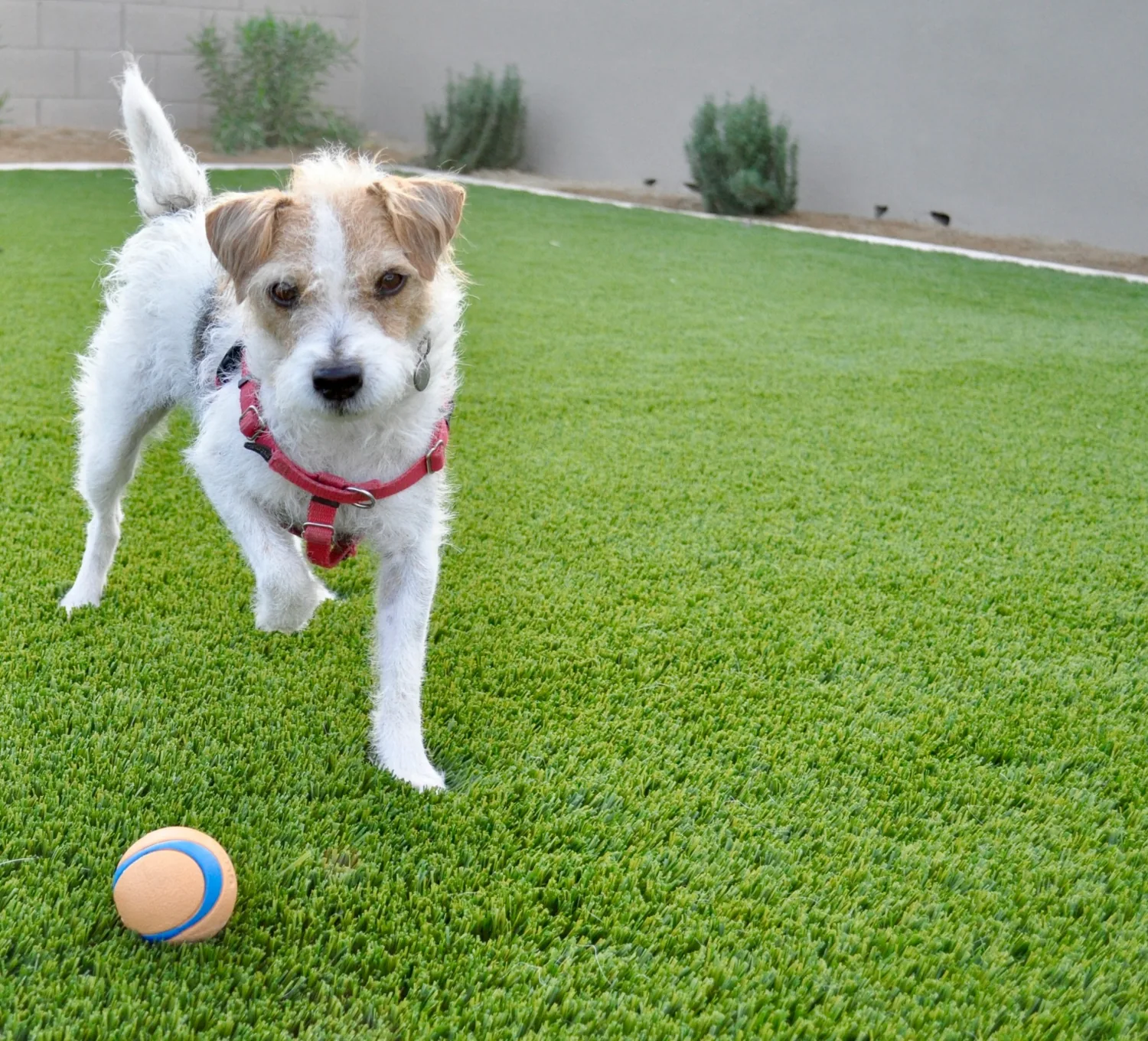
A practical dog-owner guide to daily, weekly, and deeper artificial grass care, plus signs your pet turf may need extra attention.
There is no universal cleaning schedule
The right frequency depends on how many dogs use the lawn, how large it is, the weather, the drainage system, and how often pets use the same spots. A small dog run used multiple times daily will usually need more attention than a large yard used occasionally.
Everyday habits that help
Remove solid pet waste promptly. Look for concentrated areas where your dog repeatedly urinates. Keeping debris, leaves, and waste from accumulating makes later cleaning easier and can reduce the chance of unpleasant odors developing.
A weekly check-in
Inspect the busiest areas for lingering smells, trapped debris, and uneven drainage. Where your turf manufacturer allows it and local water rules permit, rinse affected areas as needed. Check whether infill or blades have become compacted and follow the product’s approved grooming instructions.
When deeper cleaning may make sense
Persistent odor, visible residue, matted turf, or heavy use can signal that basic upkeep is not enough. A more thorough cleaning may be useful, but the method should match the turf material, infill, and drainage conditions. More frequent chemical treatment is not automatically better.
How seasons affect your routine in Los Angeles
Warm, dry stretches can make odors easier to notice, while fallen leaves and seasonal debris may create other maintenance needs. Adjust your routine based on what you actually observe rather than following a rigid calendar.
A simple maintenance plan
Start with daily waste pickup, regular visual checks, and targeted rinsing when appropriate. Reassess if the odor keeps returning. If you are considering professional help, ask what a first visit would cover and whether occasional or recurring care fits your yard.
Explore our pet odor removal information, artificial turf cleaning services, or Los Angeles service areas.
General educational information only. Follow the care instructions and warranty guidance for your specific turf system.